


free ai pornai porn maker
DeepNude AlternativePricing PlansHow To UseFAQs
Get Started
←Back to insights
Industry•Jan 14, 2025•3 min read

AI Financial Document Fraud 2025: Synthetic Documents, KYC Threats & Detection Methods

Comprehensive analysis of AI-generated financial document fraud covering synthetic pay stubs, fake bank statements, identity document fabrication, KYC challenges, and institutional detection countermeasures.

Marcus Johnson, Fraud Analytics Director

Marcus Johnson, Fraud Analytics Director

Contributor

Updated•Jan 14, 2025
financial frauddocument synthesisbankingKYCfraud detectionidentity verificationAML
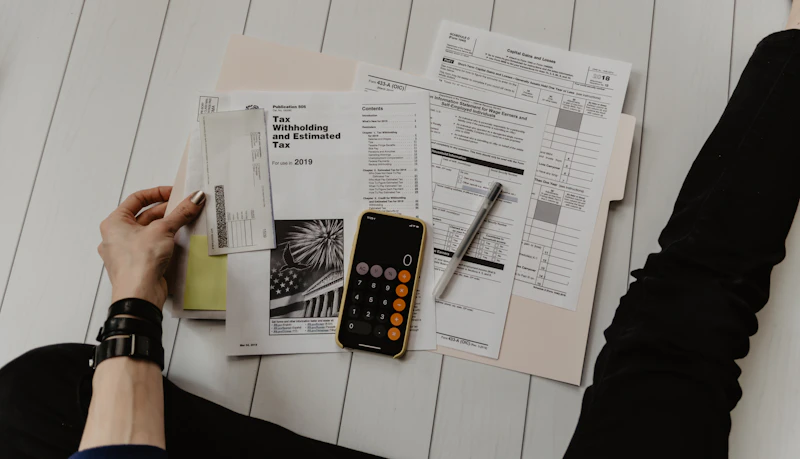
Financial document fraud detection systems

Key Takeaways

  • • AI-generated document fraud increased 650% from 2022 to 2024
  • • 23% of loan applications now contain some form of synthetic documentation
  • • Financial institutions lose $3.2B annually to synthetic document fraud
  • • AI detection systems achieve 94% accuracy on known fraud patterns
  • • Average time to detect synthetic documents: 4.7 days without AI tools
650%
Fraud Increase
23%
Applications Affected
$3.2B
Annual Losses
94%
AI Detection Rate
Financial document analysis and fraud detection systems
AI has dramatically lowered the barrier to creating convincing fraudulent financial documents

Synthetic Documents in Financial Fraud

AI has dramatically lowered the barrier to creating convincing fraudulent financial documents. Pay stubs, bank statements, tax returns, and identity documents can now be generated with unprecedented quality, threatening financial institution verification processes.

Types of Document Fraud

  • Identity documents: AI-generated driver's licenses, passports, and utility bills.
  • Income verification: Synthetic pay stubs and employment letters.
  • Financial statements: Fabricated bank statements and tax returns.
  • Business documentation: Fake invoices, contracts, and corporate records.

Document Fraud by Type

Document TypeFraud RateDetection Difficulty
Pay stubs34%High
Bank statements28%High
Identity documents22%Medium
Tax returns16%Lower

Detection Challenges

Traditional document verification relied on physical security features and institutional familiarity with legitimate formats. Digital submission and AI generation have undermined both approaches:

  • Security features can be visually replicated
  • Format variations make anomaly detection difficult
  • Volume of submissions overwhelms manual review
  • Cross-referencing databases may not catch novel fabrications

Institutional Responses

Financial institutions are implementing countermeasures:

  • AI-powered document analysis detecting synthetic artifacts
  • Direct verification with issuing institutions
  • Blockchain-based credential verification systems
  • Behavioral analytics identifying submission pattern anomalies

Regulatory Evolution

KYC (Know Your Customer) regulations are being updated to address synthetic document risks. Enhanced due diligence requirements and technology mandates aim to strengthen verification processes.

Impact on Legitimate Customers

Increased scrutiny creates friction for legitimate customers, with more document requests, longer processing times, and occasional false rejections affecting innocent applicants.

Frequently Asked Questions

How do banks detect synthetic documents?

Banks use AI analysis for layout inconsistencies, metadata examination, cross-reference verification with employers/institutions, and behavioral analytics on application patterns.

What happens if I'm falsely flagged for document fraud?

You can request manual review, provide additional verification, or use direct employer/institution verification services. Most institutions have appeals processes for false positives.

Explore detection technologies in our detection tools section and understand ethical implications.

Prefer a lighter, faster view? Open the AMP version.

Share this research

Help us spread responsible AI literacy with your network.

  • Share on LinkedIn→
  • Share on X (Twitter)→
  • Share via email→

Related resources

Explore tools and guides connected to this topic.

  • AI Tools HubExplore the Undress Zone toolkit.→
  • AI Undress OnlineBrowser-based AI undress workflow.→
  • How AI Undress WorksTechnical breakdown of the undress pipeline.→

Need a specialist?

We support privacy teams, journalists, and regulators assessing AI-generated nudification incidents and policy risk.

Contact the safety desk→

Related Articles

HR Deepfake Response Playbook 2025: Employee Incident Management & Policy Guide

HR Deepfake Response Playbook 2025: Employee Incident Management & Policy Guide

Complete HR playbook for managing deepfake incidents including workplace harassment, executive impersonation, BEC fraud response, employee support protocols, investigation procedures, and policy development templates.

Documentary Verification 2025: Authenticating Footage in the Deepfake Era

Documentary Verification 2025: Authenticating Footage in the Deepfake Era

Essential guide for documentary filmmakers on authenticating footage including cryptographic timestamping, chain of custody protocols, C2PA standards, platform challenges, and audience education strategies.

Platform Deepfake Policies 2025: YouTube, TikTok, Meta & Content Moderation Comparison

Platform Deepfake Policies 2025: YouTube, TikTok, Meta & Content Moderation Comparison

Complete comparison of deepfake policies across major platforms including YouTube, TikTok, Meta, Netflix content moderation approaches, AI disclosure requirements, enforcement challenges, and creator guidelines.

Navigation

  • Home
  • Pricing
  • Blog
  • FAQ

Key Features

  • AI Undress
  • Face Swap
  • Deep Fake
  • Deep Swap
  • Nude Generator

More Tools

  • Image Enhancer
  • Image Upscaler
  • Nude Art Generator
  • Image to Real

Legal & Payment

  • Terms of Service
  • Privacy Policy
  • Contact Us
  • Secure Payment
  • Crypto Payment

© 2026 AI Image Tools. All rights reserved.

For entertainment purposes only. All generated images are not stored on our servers.